
AI Voice Cloning Scam
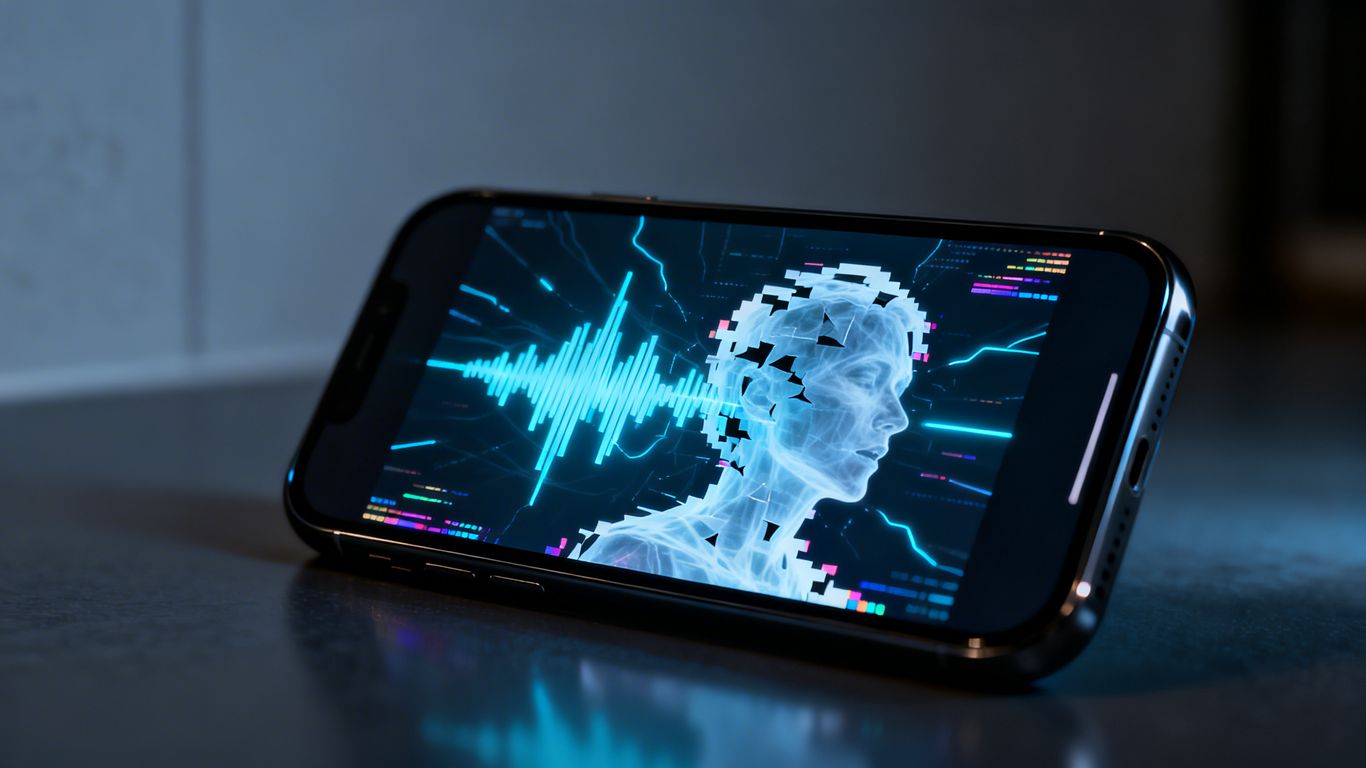
You might have heard about AI voice cloning scams, and honestly, they're pretty scary. Imagine getting a call from someone who sounds exactly like your kid, crying and saying they're in trouble. It's designed to make you panic and send money fast. This whole AI fraud thing is getting more common, and it's a big part of online fraud these days. We need to get smart about cyber security and figure out how to protect family members from these voice scam tricks. This article is all about that, giving you the scam alert you need.
Key Takeaways
An AI voice cloning scam uses artificial intelligence to mimic a loved one's voice, often in a fake emergency, to trick you into sending money quickly.
Scammers get voice samples from social media or other online sources and use AI tools to create fake calls, making family scam 2026 a growing concern.
Watch out for red flags like extreme urgency, demands for untraceable payments (gift cards, wire transfers), and calls from unknown or spoofed numbers.
To protect family, establish secret codewords, always verify emergency calls by contacting the person directly through a known number, and be mindful of what voice data you share online.
Stay informed about online fraud and AI fraud trends, report suspicious activity to authorities like the FTC, and practice general scam awareness to stay safe.

Understanding The AI Voice Cloning Scam
You might have heard about AI voice cloning, and honestly, it's getting pretty wild out there. It's basically a way for scammers to use technology to make their voices sound exactly like someone you know. Think of it like this: they take a small bit of audio, maybe from a video you posted online or a voicemail, and then an AI program can create a whole new conversation using that voice. It’s pretty scary stuff, and it’s changing how scams work.

The Rise Of AI Fraud
It feels like every day there's a new way for scammers to try and trick people, and AI is just the latest tool in their arsenal. They're getting really good at grabbing audio clips from social media or other places online. Then, they use that to create these fake calls. It’s not just about fooling you with a voice; they're trying to play on your emotions, especially when it comes to your family. This kind of fraud is becoming more common, and it’s important to be aware of it.
The technology behind AI voice cloning is advancing rapidly. What was once difficult is now becoming surprisingly simple for those with bad intentions. This means the threat is growing, and staying informed is your best defense against these evolving scams.

Family Emergency Scams Evolve
Remember those old stories about fake kidnappings or emergencies where someone needed money? Well, AI voice cloning has taken that to a whole new level. Instead of just a generic voice, they can now make it sound exactly like your own child, crying and begging for help. This makes the situation feel incredibly real and urgent. It’s designed to make you panic and send money without thinking. You might get a call that sounds like your daughter is in trouble overseas, or your son has been arrested. The goal is always the same: get you to send money quickly, often through methods that are hard to trace, like gift cards or wire transfers. It’s a serious problem that’s impacting families everywhere, and understanding how it works is the first step to protecting yourself and your loved ones from AI voice scams.
It’s a good idea to have a plan in place. Knowing that these scams exist and how they operate is half the battle. You can find more information on how to protect yourself from AI-related scams online.

How AI Voice Cloning Scams Operate

Scammers Harvest Voice Data
It all starts with getting a sample of the voice they want to mimic. Scammers don't need much, sometimes just a few seconds of audio. They can grab this from social media videos, voicemails, or any place where a person's voice might be recorded and accessible. Think about all the videos you or your family members post online – that's potential data for them. This initial step is surprisingly simple, often requiring no special skills beyond knowing where to look.

AI Technology Creates Synthetic Voices
Once they have the audio sample, the real trick begins. Sophisticated AI tools can take that small clip and learn the unique patterns, pitch, and tone of a person's voice. They then use this information to generate entirely new speech, making it sound like the original person is saying whatever the scammer wants. It's like having a digital puppet that can speak in your loved one's voice, complete with their specific inflections. This technology is advancing rapidly, making the synthetic voices incredibly convincing.
The ease with which AI can now replicate human voices is staggering. What once required advanced technical knowledge is now accessible through readily available software, lowering the barrier for malicious actors. This democratization of powerful AI tools is a double-edged sword, enabling innovation but also fueling new avenues for fraud.

The Mechanics Of A Voice Scam Call
With the cloned voice ready, the scammer makes the call. They'll often use a scenario designed to create immediate panic, like a fake emergency involving a family member. The goal is to bypass your rational thinking by hitting you with a high-emotion situation. You hear a voice you recognize, sounding distressed, and the pressure to act fast is immense. This is where the scam truly takes hold, aiming to get you to send money or personal details before you have a chance to think clearly or verify the situation. You can learn more about these types of AI voice scams and how they work.

Protecting Your Family From AI Fraud
AI voice cloning scams can be really convincing, making it tough to know what's real. Scammers are getting smarter, using technology to mimic loved ones' voices in fake emergencies. It's a scary thought, but there are ways to build a strong defense for your family.


Vishing and Social Engineering
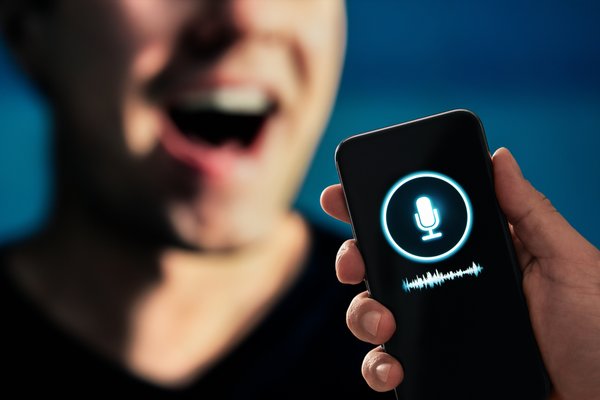
AI voice cloning takes 'vishing' – that's voice phishing – to a whole new level. Scammers can now sound exactly like someone you trust, making their requests much harder to ignore. They use these convincing voices to trick you into giving up sensitive information or clicking on malicious links. It’s all about playing on your trust and using familiar voices to bypass your defenses. This technology makes social engineering tactics far more potent.
Scammers are getting smarter, using AI to mimic voices they hear in videos or voicemails. They might call you pretending to be from your bank, or even a government agency, using a cloned voice to sound official and urgent. The goal is to get you to reveal passwords, account numbers, or other personal details without a second thought.

Voice Verification Exploitation
Many services now use voice recognition to verify your identity. This is great for convenience, but AI voice cloning can bypass these security measures. If a scammer gets a sample of your voice, they might be able to fool these systems. They could try to access your bank accounts or other sensitive online profiles. It’s a scary thought that something as personal as your voice could be used against you. You can find more information on how these scams work at Lehi Police.
Impersonating Officials and Institutions
Think beyond just family members. Scammers are using AI to impersonate police officers, tax officials, or even utility company representatives. They might call claiming you owe money or that there's a serious issue with your service, using a cloned voice to add legitimacy to their threats. The pressure to comply quickly can be immense, especially when the voice sounds like someone in authority.

Responding To And Reporting Online Fraud

AI voice scams throw you off, shake your trust, and can leave you unsure of what to do next. Acting right away is important, but panicking can make things worse. If you think you’ve been targeted, take a breath and focus—quick, calm action is your best defense.
Reporting AI Fraud To Authorities
You shouldn’t just brush off scam attempts—reporting is part of fighting back. With scams like these, sharing your story helps uncover patterns. For fake calls, report unwanted calls to the proper authorities, like the FCC. If payment details or personal info were given out, let your bank know as well. Every case, even the attempted ones, makes a difference and helps protect others in your community.
The Role Of Scam Awareness
Talking about scams openly might feel embarrassing, but it actually keeps everyone safer. People don’t fall for scams because they’re careless—it happens fast, and the fakes get better every day. Chat about odd calls, test your loved ones with codewords, and remind each other not to trust surprises without checking first. If you ever get a weird, emotional call supposedly from family, pause and call their usual phone number to double-check. Careful families get fooled less often—plain and simple.
When you spot fraud online, it's important to know what to do next. Our section on "Responding To And Reporting Online Fraud" gives you clear steps to follow. Don't let scammers get away with it; visit our website to learn how to report suspicious activity and protect yourself and others.